


Fiber Up for Balanced Blood Sugar: The Beginner's Playbook
- NANDU SURENDRAN
- Jun 23, 2024
- 5 min read
Updated: Jul 6, 2024
The Glycemic Response: GR refers to the rate at which blood glucose levels rise after consuming carbohydrates. Our bodies break down carbohydrates into glucose (sugar) for energy. Maintaining a healthy GR is crucial for metabolic health, especially for individuals with diabetes or prediabetes. High-fiber foods play a significant role in managing GR through various mechanisms. We will discuss how soluble and insoluble fibers affect GR with explanations of the underlying biochemical processes. We will also examine the impact of stress on GR and the benefits of foods that positively affect mental health.
Understanding Fiber: Soluble vs. Insoluble
Soluble Fiber
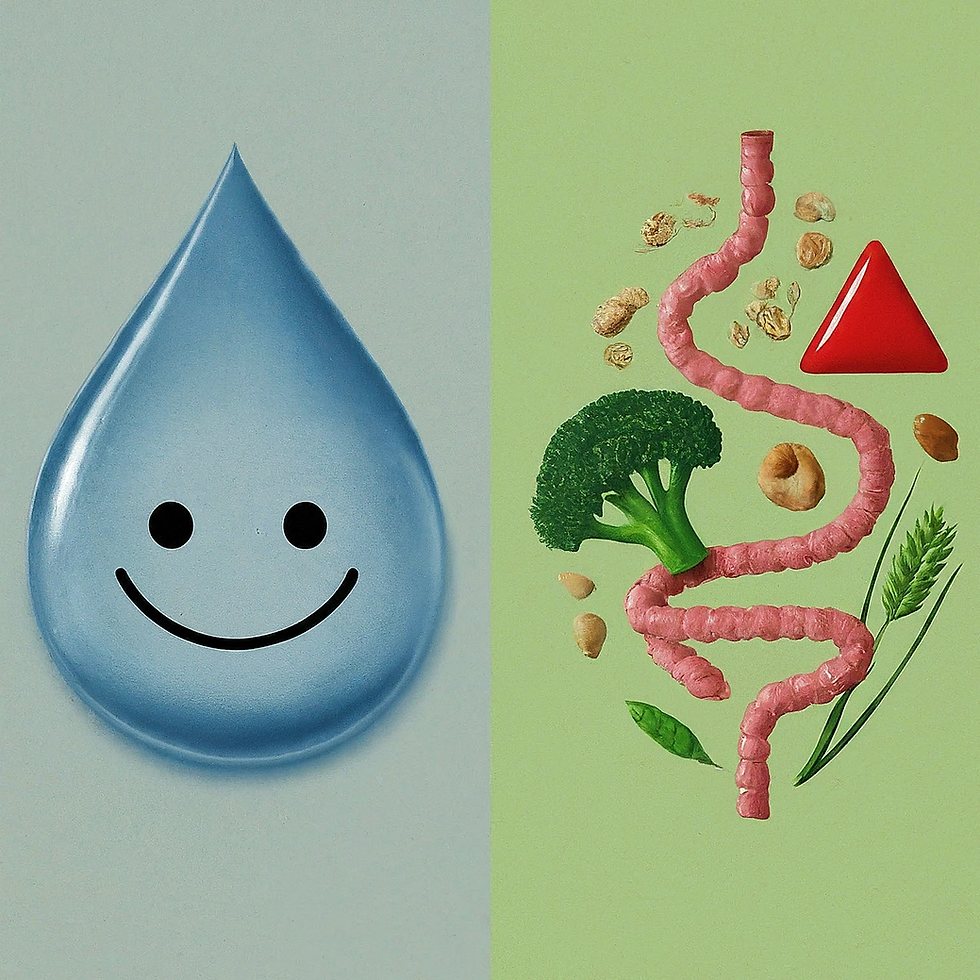
Soluble fiber dissolves in water to form a gel-like substance. It is found in oats, barley, nuts, seeds, beans, lentils, peas, and some fruits and vegetables. Soluble fiber directly impacts GR through several mechanisms:
Imagine starting your day with a bowl of oatmeal topped with chia seeds, berries, and a drizzle of honey. This combination provides a delicious and satisfying meal rich in soluble fiber. Here's how it helps manage GR:
Slowing Gastric Emptying: As you eat the oatmeal, the soluble fiber absorbs water, forming a viscous gel in your stomach. This gel increases stomach viscosity, hindering the passage of digested food into the small intestine. This translates to a slower release of glucose into the bloodstream, preventing blood sugar spikes.
Forming a Gel-Like Barrier: In the small intestine, the gel-like substance from soluble fiber creates a physical barrier around carbohydrate molecules. This barrier hinders digestive enzymes from breaking down carbohydrates rapidly into glucose. This slower digestion process translates to a steadier, more gradual rise in blood sugar levels.
Enhancing Insulin Sensitivity: Soluble fiber, particularly beta-glucan found in oats, can improve insulin sensitivity over time. Beta-glucan interacts with several gut hormones that regulate insulin secretion and signaling, including:
Glucagon-like peptide-1 (GLP-1): Beta-glucan is thought to stimulate the release of GLP-1 from enteroendocrine cells in the gut. GLP-1 travels to the pancreas and promotes insulin secretion, allowing cells to absorb glucose from the bloodstream more efficiently.
Peptide YY (PYY): Beta-glucan may also increase PYY production in gut cells. PYY is another gut hormone that signals satiety (feeling full) to the brain, potentially reducing overall food intake and indirectly promoting better blood sugar management.
Glucose-dependent insulinotropic polypeptide (GIP): While some studies suggest beta-glucan might influence GIP release, the exact mechanism remains under investigation. GIP stimulates insulin secretion from the pancreas but to a lesser extent than GLP-1.
Journal Insights: A study published in the "Journal of Nutrition" demonstrated that beta-glucan from oats significantly reduced blood sugar levels and insulin response after a meal in healthy individuals. Another study in "Diabetes Care" found that soluble fiber from psyllium helped manage blood sugar levels in patients with type 2 diabetes by reducing fasting blood sugar and HbA1c (a marker for long-term blood sugar control).
Insoluble Fiber
Insoluble fiber does not dissolve in water and adds bulk to the stool, promoting regular bowel movements. It is found in whole grains, wheat bran, nuts, seeds, and the skins of fruits and vegetables. Insoluble fiber indirectly affects GR through its impact on the gut microbiome:
Consider a lunch that includes a hearty salad made with a variety of vegetables, such as carrots, cucumbers, and bell peppers, topped with sunflower seeds and a side of whole grain bread. This meal is rich in insoluble fiber.
Fermentation by Gut Microbiota: As you digest this fiber-rich meal, the insoluble fiber travels to the colon, where it serves as food for your gut microbiota. These beneficial bacteria ferment the fiber, producing short-chain fatty acids (SCFAs) such as butyrate, acetate, and propionate.
Enhancing Gut Health: The SCFAs produced during fermentation help maintain the integrity of the gut barrier by nourishing the cells lining the colon. This strengthens the gut barrier, reducing inflammation and preventing harmful substances from entering the bloodstream. A healthy gut environment supports better glucose metabolism.
Regulating Hormonal Responses: SCFAs also influence the release of hormones like GLP-1 (glucagon-like peptide-1), which enhances insulin secretion and improves blood glucose regulation. This hormone helps the pancreas release insulin more effectively, aiding in the control of blood sugar levels after meals.
Journal Insights: Research published in "Gut" indicated that a diet high in insoluble fiber increased the production of SCFAs, leading to improved glucose tolerance and insulin sensitivity. Another study in the "American Journal of Clinical Nutrition" found that whole grains, rich in insoluble fiber, reduced postprandial blood glucose levels.
The Impact of Stress on Glycemic Response
Stress and other mental states significantly affect GR, primarily through hormonal pathways. Cortisol, the primary stress hormone, plays a key role in this process:

Cortisol and Glucose Production: During periods of stress, cortisol stimulates gluconeogenesis, a process where the liver produces glucose from non-carbohydrate sources such as amino acids. This increase in glucose production raises blood glucose levels, even if no carbohydrates have been consumed.
Insulin Resistance: Chronic stress can lead to insulin resistance, where cells become less responsive to insulin. This occurs because elevated cortisol levels promote the release of free fatty acids into the bloodstream, which interfere with insulin signaling pathways. As a result, glucose uptake by tissues is impaired, leading to higher blood glucose levels.
Inflammation: Stress-induced inflammation exacerbates insulin resistance and negatively impacts glucose metabolism. The body's inflammatory response can disrupt normal insulin function and increase the risk of chronic diseases.
Journal Insights: A study published in "Psychoneuroendocrinology" found that chronic stress was associated with higher fasting blood glucose levels and increased insulin resistance. Another study in "Diabetes Care" reported that stress management interventions improved glycemic control in patients with type 2 diabetes.
Foods that Positively Impact Mental Health and Glycemic Response

Certain foods have been shown to positively impact mental health and, by extension, improve glycemic control:
Omega-3 Fatty Acids: Found in fatty fish (such as salmon and mackerel), flaxseeds, and walnuts, omega-3 fatty acids have anti-inflammatory properties and support brain health. They help reduce symptoms of depression and anxiety by enhancing the function of neurotransmitters in the brain, which can indirectly improve glycemic control by reducing stress-induced glucose spikes.
Dark Chocolate: Rich in flavonoids, dark chocolate has been linked to improved mood and cognitive function. Flavonoids in dark chocolate promote the release of endorphins and serotonin, which help reduce stress levels and support better glycemic control.
Leafy Greens: Vegetables like spinach and kale are rich in folate, which supports brain health and reduces symptoms of depression. Folate aids in the production of neurotransmitters like serotonin and dopamine, contributing to improved mental well-being and better blood sugar management.
Fermented Foods: Foods like yogurt, kefir, and sauerkraut contain probiotics that support gut health. A healthy gut microbiome is associated with improved mental health through the gut-brain axis, where gut bacteria produce neurotransmitters and influence brain function. This connection supports both mental and metabolic health.
Berries: Blueberries, strawberries, and other berries are rich in antioxidants and have been shown to reduce oxidative stress and inflammation. Antioxidants in berries help protect brain cells from damage, promoting mental clarity and reducing stress-related glucose spikes.
Journal Insights: A review published in "Nutrients" highlighted the role of omega-3 fatty acids in reducing inflammation and improving insulin sensitivity. Another study in the "Journal of Affective Disorders" found that dietary interventions rich in fruits, vegetables, and omega-3 fatty acids significantly improved mental health outcomes and glycemic control.
Conclusion
Managing glycemic response with high-fiber foods involves understanding the distinct roles of soluble and insoluble fibers. Soluble fibers directly slow glucose absorption by forming a gel-like barrier and enhancing insulin sensitivity, while insoluble fibers indirectly enhance glucose metabolism through their positive effects on the gut microbiome. Additionally, stress and mental states significantly impact GR, highlighting the importance of focusing on foods that support mental health. By incorporating a variety of high-fiber, nutrient-rich foods and managing stress, individuals can achieve better glycemic control and overall well-being.


Very Interesting. I will follow this balanced diet from today.